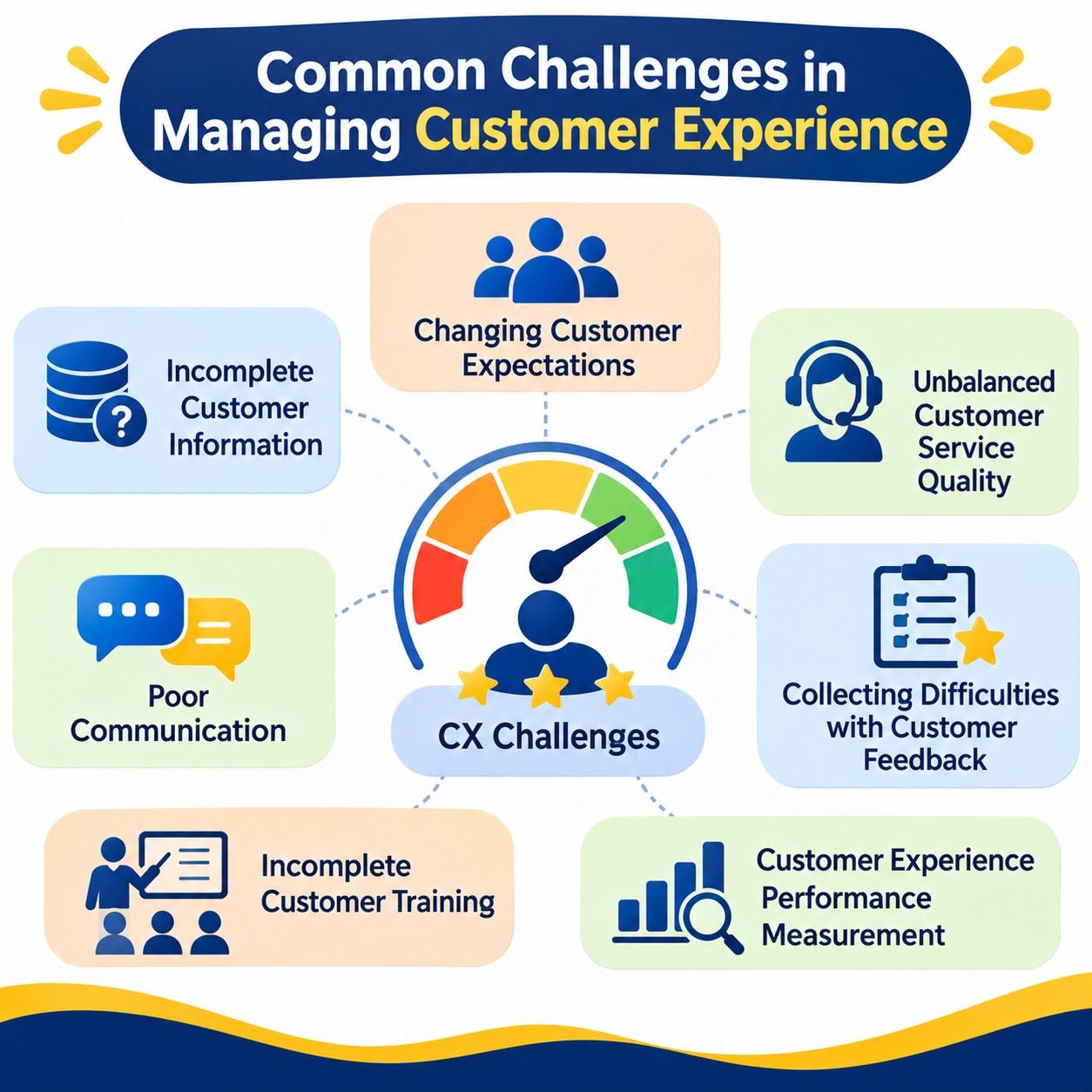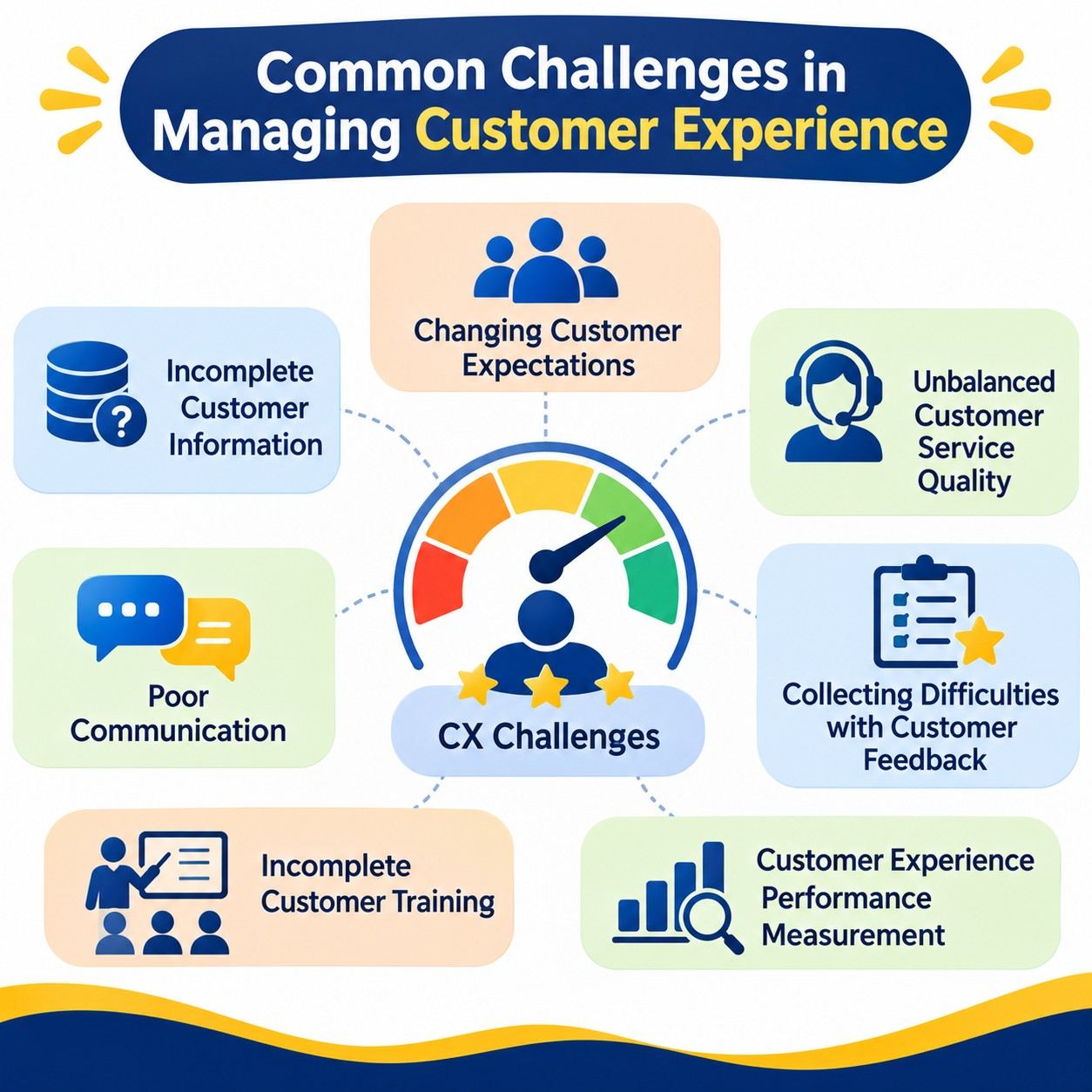



Customer Experience is the total experience of customers that is developed based on their interaction with the organization which includes the quality of products and services, communication, and purchasing experience.
Customer Experience helps in enhancing customer satisfaction and loyalty and makes them purchase again because of positive customer interactions.
Organizations use various CX techniques to know about the customer experience and their expectations to improve the total service quality.
This blog discusses the Customer Experience definition, importance, stages, measurement, impact on sales, management techniques, approaches used in the industry, and difference between customer experience and customer service.
Why is Customer Experience Important for Businesses?
The importance of customer experience in the business lies in the fact that it affects the way customers view a brand, their relationship with the company's offerings, and whether they would like to continue using the business's services or products.
Some of the important reasons why the importance of customer experience cannot be ignored by businesses are as follows:
Improve Customer Satisfaction: Consistent interaction experiences help the business satisfy the requirements of the customers and enhance their satisfaction level.
Enhance Customer Loyalty: Good customer experiences motivate customers to visit a business again and purchase their products regularly.
Improve Customer Retention: Consistently giving a good customer experience encourages customers to continue dealing with a particular business.
Improves the Reputation of the Brand: Satisfied customers promote the reputation of a business through reviews.
Helps in Business Growth: Improving customer experience can result in repeat purchases and customer engagement, which helps in the growth of a business.
Provides a Competitive Advantage: Understanding the needs of the customer can help businesses create a competitive advantage.
How to measure customer experience?
There are a number of ways in which a business can measure customer experience. Such tools include collection of customer feedback, analysis of customer interactions, and monitoring how customers react to the business' goods or services. Different metrics can be useful in helping companies evaluate customer satisfaction, identify gaps in their services, and measure the effectiveness of their CX strategies.
Net Promoter Score (NPS): This measures how likely customers are to recommend a business, product or service to others. NPS is used to gauge customer loyalty and general brand perception.
Customer Satisfaction Score (CSAT): CSAT gauges how happy customers are with a particular product, service or interaction.
Customer Effort Score (CES): CES is a metric used to measure how easy or hard it is for a customer to do something.
Customer Retention Rate: This gauges the percentage of customers that keep using the products or services of a business within a certain period.
Customer Churn Rate: This measures the percentage of customers who have stopped using the products or services offered by a certain firm within a certain period.
Customer Feedback and Reviews: Analysis of customer feedback and reviews provides valuable insights into what the business is doing wrong.
What is the importance of customer experience?
The customer experience is significant since it plays a critical role in defining how the customer interacts with a firm. From the first point of contact all through to the purchase process and after the sales, everything will contribute to the customers' satisfaction and perceptions about the company's brand.
Some of the significance of customer experience include:
Customer Satisfaction: Having an understanding of what a customer needs and offering relevant services or products is helpful in meeting the expectations.
Customer Retention: Good service delivery and experiences will help to retain customers.
Brand Loyalty: When a customer is satisfied with their experience, they are able to trust the brand.
Positive Reviews: Customers who are happy with a particular company will refer them to other people, thereby attracting more customers.
Reputation of the Company: Customer experiences result in good reputation for the business.
Business Success: Good relations with customers will help firms to make more sales.
What are the Different Stages of Customer Experience?
The development of customer experience occurs at various stages during the process of a customer’s engagement with a business from discovering the brand to purchasing a product or service and getting help after purchase.
The various stages of customer experience are:
Awareness: A customer discovers a brand using ads, social media, search engines, or recommendations.
Consideration: A customer researches, explores, compares, checks the prices, and reviews products.
Purchase: A customer makes a decision and buys a product or service. Ease of payment and checkout enhances the customer experience.
Onboarding: A customer receives assistance to start using the purchased product or service using instruction, demonstration, and other forms of assistance.
Usage and Engagement: A customer uses a product or service and assesses if the expectations are met.
Customer Support: A customer contacts a business for help in answering questions, addressing complaints, or solving any problems.
Retention and Advocacy: A satisfied customer makes repeat purchases and refers others to the brand.
Positive and Negative Customer Experience
Learn how to calculate Customer Lifetime Value (CLV), understand its formula, and explore effective strategies to increase customer value and long-term business growth.
How does customer experience (CX) impact sales?
The customer experience will influence sales through impacting the purchase decision and satisfaction of the customers as well as the loyalty of the brand. A good experience will make the customers purchase and come back for subsequent purchase while bad experiences will make the customers leave without making the purchase.
Customer experience influences sales in the following ways:
Increase the Conversion Rates: The process of purchase makes customers feel happy and they convert their interest in purchase.
Repeat Purchase: Happy customers are likely to purchase from the same business again.
Minimize the Cart Abandonment: Simple navigation, transparency of the price and easy payments make the customers less likely to abandon the purchase.
Increase Loyalty: Good customer experience builds loyalty among the customers.
Get More Referrals: A good customer experience will make the customers refer the business to others.
Increase the Revenue: Relevant offers increase the chances of making more purchases.
How to improve your CX management in 7 steps?
Customer experience management would involve a better understanding of customers' requirements and provision of improved customer interactions and consistent support. This will enable a business to manage their customer experiences better.
7 steps to manage customer experience better include:
Understanding Customer Requirements: Gather information about customer requirements through surveys, feedback, and their expectations.
Creating Customer Journey Map: Determine the touchpoints of customers in relation to the business and identify weaknesses.
Gathering and Analysing Feedback: Gather feedback through reviews and surveys to determine any problem and solve it by improving service delivery.
Offering Personalized Customer Interaction: Customers should be offered personalized services and recommendations based on their needs.
Offering Improved Customer Support: Customer support should be offered in time through various communication channels including email, phone, live chats, and social media sites.
Training of Employees: Training of employees on communication, customer handling, and problem-solving skills.
Measuring CX Performance: Measuring performance through customer satisfaction, customer retention, and NPS (Net Promoter Score).
How do different industries approach customer experience?
Each industry treats the concept of customer experience according to its products, services, and customer requirements. Some industries concentrate on personalized services while others emphasize convenience, speediness, and ease of digital interactions. Every industry adopts a unique strategy for increasing customer satisfaction and building relationships.
Different industries treat customer experience as follows:
Retail: Emphasis is placed on personalized recommendations, easy return policies, discounts, and convenient shopping experiences both online and offline.
Banking & Finance: Secure transactions, easy digital banking, speedy issue resolution, and personalized financial services.
Healthcare: Comfortable visits, easy appointment scheduling, communication, and accessible healthcare services.
Hospitality & Tourism: Personalized stay, easy booking process, responsive customer services, and customized traveling experiences.
E-commerce: Customer experience is improved by user-friendly navigation, secure payment, fast delivery, and seamless returns.
Telecommunication: Reliable network coverage, cost-effective plans, technical assistance, and complaints' resolution.
Education: Accessible education platform, student support, interactive learning experiences, and prompt academic assistance.