


Key Highlights-
A leadership course for managers helps professionals develop the skills needed to lead teams, make decisions and handle workplace responsibilities effectively.
Leadership training focuses on essential skills such as communication, delegation, emotional intelligence, conflict resolution and strategic thinking.
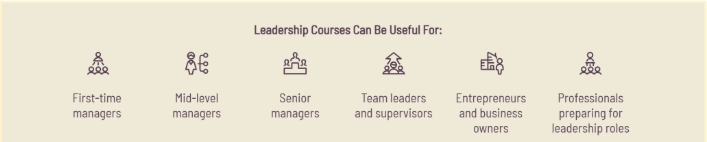
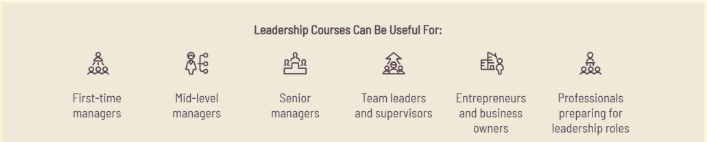
These courses are useful for first-time managers, experienced team leaders, senior executives and professionals preparing for managerial roles.
This blog covers the key skills and topics taught in leadership courses, their workplace applications, who should enroll and how to choose the right program.
Explore IIM Bangalore’s General Management for Young Leaders (YLP) to strengthen your leadership and management skills, understand team dynamics, develop decision-making abilities and prepare for greater professional responsibilities.
What Is a Leadership Course for Managers?
A leadership course for managers is a learning program which is designed to help people lead teams and perform organizational responsibilities.
This type of program covers both the people and strategic sides of the management such as communication, motivation, problem-solving and decision-making. Unlike training that covers only job-related skills, leadership training involves the way managers affect others and lead teams towards organizational goals.
A leadership course for managers may help professionals develop the ability to:
Lead a team: Define expectations, delegate duties, and move together towards a common goal.
Communicate: Offer instructions, give feedback, and deal with difficult situations.
Make informed decisions: Evaluate situations, consider available information and choose appropriate actions.
Manage conflicts: Address disagreements between team members and work towards practical solutions.
Support employee development: Recognise individual strengths and encourage professional growth.
In general, the aim is to teach managers to be more confident in their duties while keeping the balance between the requirements of the business and employee needs.
Understanding the meaning and principles of leadership can help managers recognise how their approach influences team performance, employee motivation and organisational goals.
Why Do Managers Need Leadership Training?
Taking a managerial job means changing the nature of a person's job. Individual performance is no longer the only priority. Managers also become responsible for the performance, development and coordination of other people.
This transition can be challenging, particularly for professionals who have strong technical knowledge but limited experience in leading teams. Leadership training gives them an opportunity to understand these responsibilities and develop the skills required to handle them.
Some important reasons managers benefit from leadership development include:
Better team coordination: Managers learn to distribute responsibilities and keep employees aligned with shared objectives.
Improved employee engagement: Understanding what motivates people helps managers create a more supportive work environment.
Confident decision-making: Leadership training introduces approaches to evaluating situations and making decisions under pressure.
Stronger communication: Managers learn to provide constructive feedback, manage expectations and address misunderstandings.
Adaptability during change: Organisations regularly experience changes in technology, processes and business priorities. Managers need to guide their teams through these transitions.
For organisations, leadership development can also support succession planning by preparing employees to take on greater responsibilities over time.
Understanding what makes a good leader also helps managers recognise the qualities needed to guide employees, build trust and create a positive work environment.
Essential Leadership Skills Every Manager Should Develop
Good leadership is not limited to being authoritative or having the final say in a decision. It involves understanding people, communicating clearly and taking responsibility for the direction of a team. A leadership course for managers often focuses on developing a combination of interpersonal, strategic and organisational skills.
Some of the important skills include:
Communication: Explaining expectations clearly, listening to employees and sharing feedback in a constructive manner.
Emotional intelligence: Understanding personal emotions and recognising how others may respond to different situations.
Delegation: Assigning work according to employees' abilities while giving them enough responsibility to develop.
Critical thinking: Examining information, identifying problems and considering different solutions before making decisions.
Conflict resolution: Handling disagreements professionally without allowing them to affect team relationships.
Strategic thinking: Connecting everyday team activities with wider organisational priorities.
Accountability: Taking responsibility for decisions, outcomes and the performance of the team.
Adaptability: Responding to changing workplace conditions without losing sight of important goals.
These skills work together. For instance, a manager may understand how to delegate tasks, but effective delegation also requires communication, trust and accountability. Developing these abilities requires a combination of self-awareness, communication and practical experience.
Explore the top leadership skills that help professionals guide teams, manage responsibilities and grow into effective leaders.
Key Topics Covered in a Leadership Course for Managers
Leadership development programs generally cover different aspects of managing people and organisations. The exact curriculum depends on the institution and the level of the course.
A leadership course for managers may include the following learning areas:
These subjects help managers understand leadership from different perspectives. They also provide a foundation for applying management concepts to everyday workplace situations.
How Leadership Training Helps Managers Handle Workplace Challenges
Managers regularly face situations that require them to balance employee expectations with organisational priorities. A project may fall behind schedule, two team members may disagree, or an employee may struggle to meet performance expectations.
In such situations, knowing the right management process is only one part of the solution. Managers also need the judgement and communication skills to handle people effectively.
A leadership course for managers can help professionals approach common workplace challenges in a more structured way.
Some examples include:
Managing underperforming employees: Managers can learn to identify the reasons behind performance issues, set clear expectations and provide constructive feedback.
Handling team disagreements: Leadership training introduces ways to listen to different perspectives and resolve conflicts professionally.
Managing tight deadlines: Prioritisation and delegation help managers distribute work and keep projects on track.
Leading remote or hybrid teams: Managers need clear communication practices and suitable ways to maintain collaboration across different locations.
Managing organisational change: Leadership skills help managers explain changes, address employee concerns and guide teams through new processes.
For example, when a project misses an important deadline, a manager must understand what went wrong before assigning blame. Reviewing responsibilities, identifying resource gaps and discussing practical solutions can help the team move forward.
Who Should Enroll in a Leadership Course for Managers?
Leadership development is relevant to professionals at different stages of their careers. It is not limited to senior executives or individuals who already manage large teams.
A leadership course for managers may be useful for: