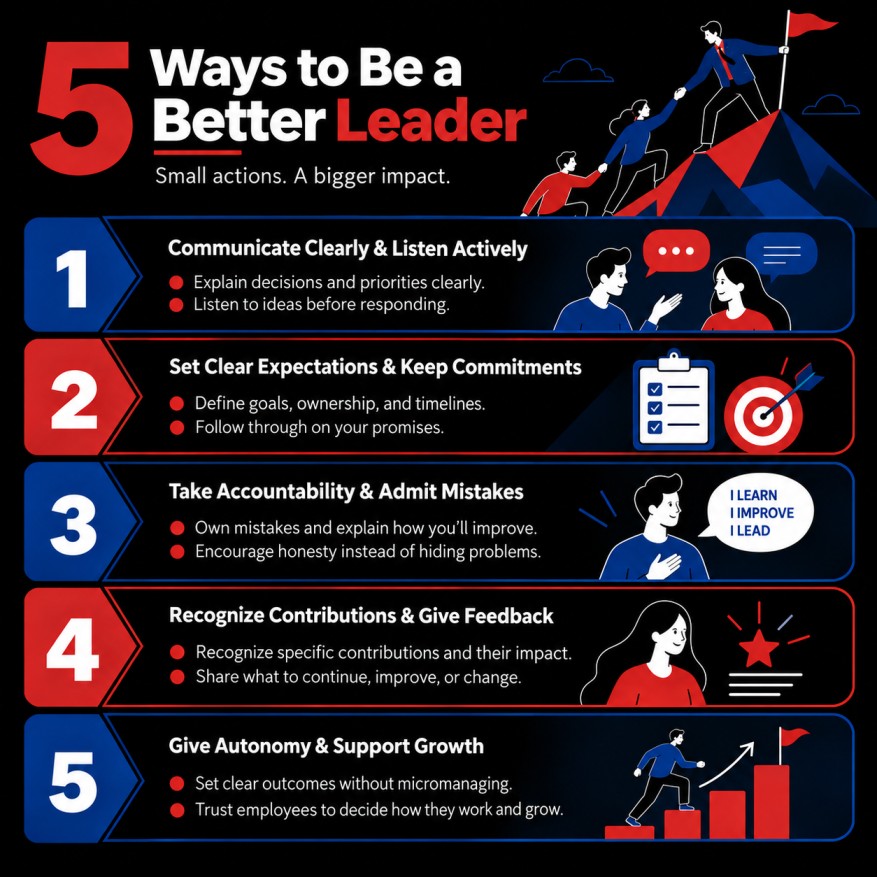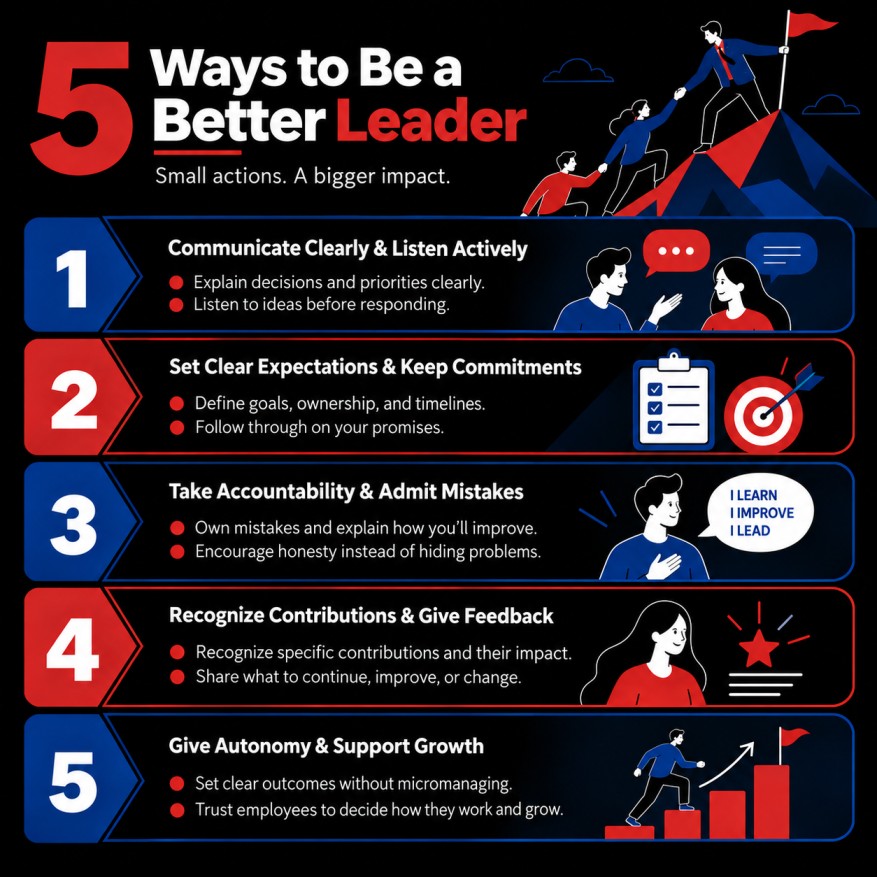


Key Highlights
A good leader builds trust, communicates clearly, takes responsibility, and helps the team work toward a shared goal.
The 10 key qualities of a good leader include integrity, self-awareness, communication, empathy, vision, adaptability, confidence, collaboration, resilience, and leading by example.
Good leadership isn't just about having authority. It also involves listening to others, making sound decisions, handling challenges, and supporting team members.
Leadership skills can be developed over time through self-awareness, feedback, practice, and learning from real workplace situations.
In this blog, you'll learn what makes a good leader, the key qualities and skills they need, how they build trust and motivate teams, handle conflict, make decisions, and improve their leadership.
Ready to move beyond your current role and take on broader business responsibilities? Explore the IIM Bangalore Young Leaders Programme (YLP) to strengthen your skills in strategy, finance, operations, people management, and leadership.
What Makes a Good Leader? 10 Essential Qualities and Skills
Good leaders don't all work or handle situations in the same manner. Some leaders are naturally outspoken. Whereas others lead by listening carefully and thinking things through. What really matters is how well they support their team, solve problems, and keep everyone focused on the goal.
The best leaders bring their personal qualities and practical skills together. They know their strengths, understand how their actions affect others, are emotionally aware, and aren't afraid to have difficult conversations when the team needs honest and clear direction.
Here are the top 10 qualities what makes a good leader:
1. Integrity and Accountability
Integrity means doing the right thing even when no one's watching. A credible leader always keeps his word. He always leads by example. They don't say one thing in a meeting and do another behind closed doors.
They keep themselves accountable for their own and their team’s actions. Good leaders take responsibility for results, even when they didn't directly cause a problem but could have anticipated or managed it better. When a project falls short, they focus on fixing the issue instead of pointing fingers.
2. Self-Awareness and Humility
A leader who is self-aware knows their strengths and weaknesses. So they know where they need support. They can also recognise how their communication style affects different people.
Humility doesn't mean lacking confidence. It's the willingness to say "I don't know" and ask for help. Leaders who think they have all the answers usually stop growing.
3. Communication and Active Listening
Good communication prevents confusion before it becomes a problem. Good leaders explain expectations, deadlines, priorities, and decisions so that they are not confused.
Listening matters a lot. If employees feel that their concerns disappear into a meeting, they'll eventually stop raising them. Active listening makes people feel valued.
4. Empathy and Emotional Intelligence
Leadership involves people, and people don't leave emotions at the office door. Emotional intelligence helps leaders recognise their own reactions and respond appropriately to others' emotions. Empathy lets a leader read the room.
An empathetic leader doesn't agree with everyone. They understand the person's perspective before deciding what action is fair. Emotional intelligence is the ability to manage your own reactions while understanding how others feel, especially during stressful moments.
5. Vision and Strategic Thinking
A team needs more than a task list. It needs to understand why the work matters and where the organisation is heading. Good leaders connect daily responsibilities with broader goals. They also think about consequences before committing resources, changing priorities, or taking significant risks.
6. Adaptability and Continuous Learning
Plans change. Markets shift. Customers change their expectations. Teams change too.
Strong leaders don't cling to an outdated approach simply because it worked earlier. They treat learning as an ongoing process. Reading, asking questions, and staying curious keep leaders relevant as their industry evolves.
Also read: What Is Slack in Project Management? Types & Calculation
7. Confidence, Courage and Decisiveness
Leaders often have to make tough choices without having all the answers. Confidence helps them move forward without constantly seeking validation. Confidence doesn't mean knowing everything.
Your courage matters when a decision is unpopular or uncomfortable. A good leader can listen to criticism without getting defensive and still make the call when needed.
8. Respect, Collaboration and Inclusiveness
People contribute more when they feel heard and respected. Good leaders treat everyone with the same basic courtesy. Good leaders invite different perspectives, give credit fairly, and don't allow hierarchy to silence useful ideas.
Collaboration also requires boundaries. It means pulling ideas from the whole team, not just the loudest voices.
9. Resilience and a Positive Mindset
Setbacks can happen to everyone. What separates the good leaders is how well they manage in those circumstances. A missed target, failed project, or difficult client conversation can change the mood of an entire team.
Resilient leaders acknowledge the problem without making it bigger than it is. They focus on what can be learned, what needs to change, and what the team should do next. A positive mindset doesn't mean ignoring problems. It means seeing challenges as problems that can be solved rather than disasters. This helps leaders stay calm and keeps the team's morale from dropping when things get tough.
10. Delegation, Empowerment, and Leading by Example
Leaders who try to do everything themselves burn out fast. Delegation means trusting people with real ownership, not just handing off some work. Leaders empower people by giving them room to make decisions and occasionally fail.
Good leaders always lead by example. If you expect punctuality, accountability, respect, and preparation, your own behaviour has to show those standards first.
Also read: Assistant General Manager Salary in India 2026: Pay Guide
How Do Good Leaders Build Trust and Motivate Their Teams?
Trust isn't created through a motivational speech. It doesn’t just show overnight. It develops through repeated behaviour. Employees notice whether a leader keeps promises, listens when problems arise, and treats people fairly when pressure increases.
Motivation also isn't identical for everyone. One employee might value autonomy, another might want more feedback, and someone else might care most about learning opportunities. Good leaders pay attention to those differences instead of using one approach for everyone.
Here is how to build trust and motivate teams: